

Why Reef-Safe and Eco-Friendly Protection Matters
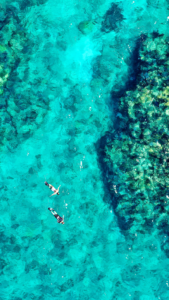
The Caribbean’s crystal-clear waters and vibrant coral reefs are among its greatest treasures, making many travelers wonder whether the products they use are as environmentally responsible as they are effective against biting insects. Idyllic vacations to the Caribbean will include snorkeling, scuba diving, kayaking, paddle boarding, boating, and swimming, all activities that allow visitors to experience the beautiful coral reef systems that make the Caribbean unique. Protecting these vital and stunning habitats involves more than just avoiding touching them.
Coral reef are among the world’s most diverse ecosystems, providing habitat for thousands of marine species. Because they support such an incredible diversity of life, coral reefs play an essential role in healthy marine ecosystems. Not only do coral reefs support biodiversity, they also protect coastlines, support tourism and recreation, and are economically and environmentally valuable. Choosing environmentally responsible products helps travelers enjoy these environments while supporting their long-term preservation. As insect-borne illnesses are an ever present risk in the Caribbean, insect repellents should be considered just as important as sunscreen for anyone visiting the Caribbean.
For many travelers, protecting the Caribbean means leaving these extraordinary ecosystems just as beautiful for the next generation of visitors. And as interest in environmentally responsible travel continues to grow, many travelers are paying closer attention to the products they wear during their vacation – including insect repellent – in order to keep themselves and coral reefs protected. 1
What Does “Reef-Safe”, “Ocean-Friendly”, and “Eco-Friendly” Mean
Many products designed for outdoor recreation and used around marine environments are marketed as reef-safe, ocean-friendly, or eco-friendly. “Reef-safe” products are designed with coral reef environments in mind. Some topical products like sunscreen or insect repellents may contain ingredients that can cause coral bleaching, disrupt marine reproduction, or harm aquatic life.1 “Reef-safe” products are intended to avoid such harmful chemicals and allow users to enjoy marine environments responsibly. “Ocean-friendly” is a term that applies to products that consider a broader marine environment than coral reefs alone. This can include protecting aquatic life in general, marine plants, coastal habitats, seagrasses, or mangroves. Finally, “eco-friendly” is the broadest term used for products – from ingredients to packaging – that are manufactured in a way that is less harmful to the planet. It often encompasses products that are biodegradable, sustainable sourced, or recyclable2.
All of these terms highlight different aspects of environmental stewardship. They all encourage consumers to think carefully about the products they choose for outdoor and oceanic adventures.
Why Insect Repellent Ingredients Matter for Environmental Protection
While consumers often focus on the effectiveness alone of their insect repellents, ingredient selection should be equally as important when choosing which product to purchase. Growing in popularity because of its safety profile, the active ingredient of IR3535® is found in insect repellents that are considered reef-safe and ocean- and eco-friendly. IR3535® is a nature-inspired active ingredient that is structurally similar to β-alanine, a naturally occurring amino acid. IR3535® is readily biodegradable with no chemical traces left in the environment after 48 hours3. This means that this active ingredient breaks down rapidly in the environment without leaving harmful chemical traces behind in the food chain or surrounding ecosystem.
The original manufacturers of IR3535® likewise say that this repellent ingredient is not only gentle on the skin, but also on the environment; it’s non-toxic to aquatic organisms, such as fish or algae, and does not accumulate in the environment4. This stands in contrast to synthetic alternatives like DEET, which can have higher toxicity to aquatic life5. IR3535® has demonstrated safety on a number of different animals, and is safe for use by pregnant women and children, as well as for longer periods of time. Proven effective against a number of biting insect, IR3535® stands out as a repellent active ingredient that is both safe for you and safe for the environment.
A thoughtfully formulated insect repellent should aim to provide effective insect protection, user safety, and consideration for the environments where it will be used. These principles are central to the design behind IMPEDE, a premium Caribbean insect repellent.
How IMPEDE Supports Environmentally Responsible Caribbean Travel
IMPEDE was developed specifically for tropical environments like the Caribbean. Utilizing the active ingredient IR3535®, IMPEDE is an insect repellent that is considered reef-safe, ocean-friendly, and eco-friendly. Combined with the power of STAYTEC™, IMPEDE keeps the active ingredient on the skin surface longer, providing up to 14 hours of protection from biting insects. Longer-lasting protection also reduces the need for frequent reapplication, meaning less product is used throughout the day while maintaining dependable protection. The lightweight lotion formula of IMPEDE is comfortable for everyday wear, easy to apply, and is sweat- and water-resistant. Whether you’re snorkeling, kayaking, boating, relaxing on the beach, or exploring coastal trails, IMPEDE was designed for the Caribbean lifestyle.
Protecting yourself from biting insects and protecting the Caribbean’s extraordinary marine environments can go hand in hand. With IMPEDE, travelers can confidently explore the islands knowing their insect protection was designed with personal safety, performance, and environmental responsibility in mind.
- https://www.epa.gov/coral-reefs/basic-information-about-coral-reefs
- https://limesupply.com/does-eco-friendly-mean-environmentally-friendly/
- https://pmc.ncbi.nlm.nih.gov/articles/PMC12505549/
- https://www.susonity.com/US/en/brands/ir3535
- https://rrlotion.com/2023/06/ir3535-the-preferred-choice-for-effective-and-safe-insect-repellents/