

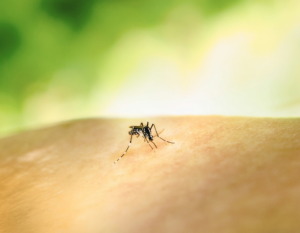
A Caribbean vacation should leave you with memories – not lingering joint pain from a mosquito-borne illness. For travelers planning a Caribbean getaway, understanding mosquito-borne illnesses like chikungunya is an important part of staying safe abroad. As cases of chikungunya are rising across the Americas, knowing what the virus is, what symptoms are associated with the infection, and what ways you can prevent infection are key pieces of knowledge for a safe and worry-free trip to the Caribbean.
What is Chikungunya and Is It a Concern in the Caribbean
Chikungunya is a mosquito-borne viral disease, transmitted primarily through Aedes aegypti mosquitoes (a widespread and highly prevalent type of mosquito found throughout the Caribbean). This is also the same mosquito species associated with dengue fever and the Zika virus. Tropical climates, like those found across the Caribbean, create favorable mosquito breeding environments through warm temperatures, high humidity, and numerous sources of standing water. Chikungunya originally spread widely throughout the Americas beginning around 2013, and public health control efforts helped reduce the spread of the virus. However, a recent resurgence of cases has been reported throughout the region, causing concerns for many.1
The PAHO (Pan American Health Organization) issued an epidemiological alert for chikungunya in February 2026 due to a) sustained increases in chikungunya cases in several countries in the Americas and b) renewed local transmission in areas that had not reported circulation of the virus in years. Over 313,000 cases of the virus were reported in the Americas (including Caribbean countries) by the end of 2025, with more than 113,000 confirmed cases and 170 deaths reported in the region. Recent atypical environmental factors such as extreme temperatures have favored mosquito breeding, leading to continued circulation of the virus in endemic regions. While outbreaks are not necessarily widespread everywhere in the Caribbean currently, chikungunya virus remains and ongoing public health concern. Understanding the symptoms of chikungunya and knowing how to reduce mosquito exposure are key steps in lowering infection risk while traveling in the Caribbean.1
Symptoms, High-Risk Groups, and Prevention
One of the best ways to prevent the spread of chikungunya virus is to recognize the symptoms of the infection and report to local health authorities when symptoms are observed. Common chikungunya symptoms include sudden high fever, severe joint pain, headache, muscle pain, fatigue, and rash. The severe joint pain is the hallmark symptom associated with chikungunya infection. According to the Mayo Clinic, joint pain following infection can become debilitating and may persist weeks, months, or occasionally longer. Most symptoms usually begin 2 to 7 days after being bitten by an infected mosquito. Most patients recover fully with no other symptoms after 1 to 2 weeks, but older adults and people with underlying conditions may experience more severe complications.
Including these two groups, other higher-risk populations include pregnant women and children under 1 year old. For pregnant women, health authorities urge this group not to travel anywhere with a current chikungunya outbreak, as the virus can be passed on to unborn babies and cause serious complications. Likewise, health authorities note that there are no specific antiviral treatments for chikungunya, and protective measures to prevent such mosquito-borne illnesses are extremely important in areas such as the Caribbean.2
Simple prevention measures encouraged by health authorities to avoid mosquito bites include:
- Wearing long sleeves and protective clothing
- Staying in screened or air-conditioned environments, especially during peak active mosquito hours of early mornings and evenings
- Eliminating standing water
- Using effective insect repellent consistently
Because there is no specific cure for chikungunya, prevention through reliable mosquito protection becomes especially important.
IMPEDE: Designed for Tropical Mosquito Protection
Chikungunya prevention centers around avoiding mosquito bites. IMPEDE is the preferred choice for mosquito repellent in the Caribbean. The DEET-free, long-lasting formula of IMPEDE is designed specifically for tropical environments and suitable for frequent and prolonged use. IMPEDE utilizes the active ingredient of IR3535®, a nature-inspired ingredient with a proven safety profile that is effective against many biting insects, including mosquitoes. Suitable for populations at higher risk for serious complications from mosquito-borne illnesses like chikungunya, IMPEDE is safe for pregnant women, children and older adults. Using the patented STAYTEC™ technology, IMPEDE helps provide up to 14 hours of protection. STAYTEC™ is a controlled-release system, designed to keep the active ingredient on the skin surface longer, minimizing the need for frequent reapplication. The IMPEDE lotion format is also made to be sweat- and water-resistant, making it ideal for a Caribbean lifestyle of long beach days, boating trips, and outdoor excursions.
IMPEDE is the best insect repellent option sold through local retailers throughout the Caribbean. This premium repellent product allows travelers to confidently enjoy outdoor Caribbean activities with consistent protection. Preventing mosquito bites is one of the most effective ways to reduce mosquito-borne illnesses like chikungunya, and IMPEDE is designed to deliver the dependable protection Caribbean travelers need.